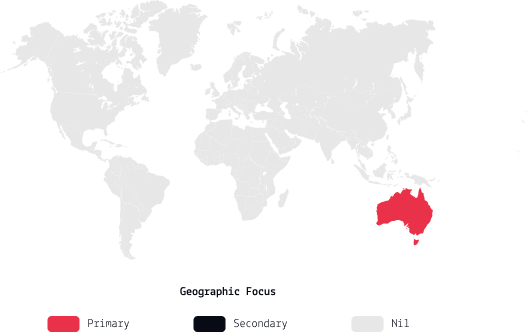
Current Project Positioning in the Market Context
StoryCloud is rolling out its national commercial programme across Early Learning Centres in Australia. The core focus is on scaling outreach, delivering in-centre demonstrations, managing CRM pipelines, converting centres into the Essentials and Connected programmes, and improving digital inclusion for young children, particularly in regional, remote and low SEIFA communities.
The project operates with a clear structure that includes a commercial lead, an operations and communications manager, outreach specialists and five Partnership Coordinators. The internal definition of success centres on consistent enrolment growth, accurate CRM data, strong conversion from demonstrations to programme onboarding and measurable social impact.
Key operational dependencies include device kit availability, reliable processes for centre follow-up, structured messaging aligned with early learning frameworks, and coordinated logistics. The project has limited headcount, so it relies heavily on workflow discipline and repeatable processes. Because centre readiness varies significantly, the pace of adoption is uneven, with some services prepared to implement digital tools quickly and others constrained by infrastructure, staffing, or administrative challenges.
This creates a project that is strategically aligned with national priorities around digital inclusion and early childhood education, but dependent on market conditions that differ widely across regions. StoryCloud is positioned as a mission-driven commercial initiative with high social value potential, but with operational exposure to external factors that can influence adoption, readiness and growth.
Overview of External Market Trends Relevant to the Project
Several major shifts in the Australian early childhood and digital inclusion landscape in 2024 and 2025 shape StoryCloud’s operating environment.
Sector Recognition of Digital Technology in Early Childhood
In October 2025, Early Childhood Australia (ECA) launched a revised Statement on Young Children and Digital Technologies at its National Conference. This document outlines updated guidance for educators and positions digital technologies as appropriate tools for learning when used in contextually informed ways.
The statement encourages the use of digital tools across four domains: relationships, health and wellbeing, citizenship and play and pedagogy. This reflects an endorsement from a leading sector body that digital learning has a place in early childhood settings.
This shift suggests that educators and centre leaders are increasingly open to structured digital programmes like StoryCloud, provided they meet pedagogical, ethical and wellbeing standards.
Regulatory Changes for Digital Technology Use in ECEC
From 1 September 2025, approved providers must comply with new requirements regarding the safe use of digital technologies and online environments. These include policies for device use, supervision, media storage, consent processes and data protection.
Additional guidance was released through the National Child Safety Review in June 2025, which advised ECEC services to strengthen digital and online safety practices.
These changes indicate that digital engagement in early learning is not only accepted but increasingly regulated. Services that adopt digital tools must operate within a compliance framework. This trend increases the importance of providing structured, safe and well-supported digital programmes rather than ad hoc device use.
Persistent Access Gaps in Regional, Rural and Remote Communities
AERO released important insights in 2025 highlighting that children in regional, rural and remote areas continue to face significant barriers to accessing early childhood education. These areas often experience thin markets, higher operating costs, workforce shortages and infrastructure limitations.
These findings reinforce that many communities still experience limited access to ECEC services, and when they do have access, the services often face constraints that reduce their capacity to adopt new resources or programmes.
This creates both opportunity and challenge for StoryCloud. The need for digital inclusion tools is high, but the operational realities of these communities may limit rapid adoption.
ECEC System Trends and Participation Data
The 2025 Report on Government Services includes updated 2024 data on early childhood education, showing ongoing differences in participation and resourcing across Australian states and regions.
Taken together with other national reporting, the data sits within a broader pattern where access to quality ECEC is generally stronger in major cities and many inner regional areas, while regional and remote communities tend to have fewer services and places available, leading to more variable participation.
Affordability pressures, staffing shortages and service availability all affect the stability of ECEC provision, which in turn influences centres’ ability to take on additional digital programmes.
This highlights the importance of a targeted approach that accounts for variability across centre types and locations.
Internal–External Interaction: What These Trends Mean for StoryCloud
StoryCloud’s internal strategy aligns closely with several external trends, creating a favourable environment for growth, but also exposing risks that require strategic management.
Sector Acceptance Supports StoryCloud’s Offering: With the ECA Statement and the NQF digital safety requirements now firmly established, there is clear sector-level recognition that digital tools form part of contemporary ECEC practice. This provides StoryCloud with legitimacy when approaching centre leadership teams, who are increasingly expected to integrate digital tools responsibly. StoryCloud’s structured programmes, use of dedicated device kits and alignment with learning frameworks fit well within this new environment.
Compliance Requirements Create Both Opportunity and Risk: The new regulatory requirements mean that centres must have clear policies and safe systems of use for digital tools. Many services are under-resourced and may find compliance difficult.
This presents a dual effect:
- It may slow adoption for centres that feel unprepared.
- It opens a substantial opportunity for StoryCloud to differentiate itself by offering compliance-aligned onboarding, documentation and training support.
If StoryCloud positions itself not only as a digital programme provider but also as a partner helping centres meet regulatory obligations, uptake could increase significantly.
RRR Community Needs Amplify Mission Impact but Increase Operational Complexity: The unmet needs in remote and disadvantaged areas align strongly with StoryCloud’s mission. However, the external evidence shows that these communities face substantial barriers, including limited internet, staffing shortages and infrastructure gaps. This means adoption will likely be slower in these regions, and support requirements will be higher. Given the limited evidence about the commercial performance of structured digital learning programmes in remote and disadvantaged ECEC settings, it remains uncertain whether the regions with the highest social impact potential will also provide sustainable commercial returns.
Variability in Centre Readiness Influences Deployment Strategy: Sector trends suggest that centre readiness is uneven across Australia. Centres with stronger infrastructure and leadership capacity are more likely to adopt digital learning tools quickly, while others may need more time, support or infrastructure improvements. This reinforces the need for a readiness assessment or prioritisation strategy, to ensure StoryCloud focuses its resources on centres that are able to engage effectively.
Consumer or User Behaviour: Project-Relevant Insights: Families and educators increasingly interact with digital technologies in everyday life. The 2025 ECA Statement acknowledges that children are using digital tools from an early age and reinforces that meaningful engagement with digital media can be developmentally appropriate when used in context. This suggests that parent and educator attitudes toward structured digital learning tools are becoming more positive. It also supports the idea that digital inclusion initiatives are timely and socially relevant. However, digital inequality persists, and many families in disadvantaged communities still have limited access to devices or reliable internet. This means centre-driven digital access programmes, such as StoryCloud’s Connected model, could serve as an important equaliser.
Innovation and Technology Signals Affecting the Project: Several trends in educational technology and digital equity influence StoryCloud’s potential trajectory. Digital learning is increasingly recognised as part of modern pedagogy in early childhood. The ECA 2025 Statement provides strong conceptual support for this shift. The NQF digital safety requirements signal an institutional move toward structured and formalised use of digital technologies within ECEC. Research on digital capability infrastructure highlights that access to devices alone is insufficient. Centres require support in digital literacy, infrastructure, safe practices and integration into pedagogy. These trends show that the market is evolving away from unstructured device use and toward integrated, well-supported digital solutions. StoryCloud’s structured programme model aligns well with this direction.
Forecasts and Market Outlook (3 to 5 Years)
A review of 2024 and 2025 data suggests the following medium-term outlook:
- Digital learning in ECEC is likely to continue expanding as regulatory frameworks, sector guidance and parent expectations normalise responsible digital engagement.
- Centres that have strong infrastructure and leadership support will drive early adoption, especially in metropolitan and regional hubs.
- Remote and disadvantaged areas will continue to face significant barriers, but the social impact potential will remain high.
- Despite targeted investment and recent improvements in connectivity, national reviews and digital inclusion reporting show that progress is uneven across regions, so the rate of digital infrastructure improvement in these communities remains uncertain over the medium term.
- Compliance requirements will intensify, which means centres will increasingly prefer digital providers that can offer safety-aligned documentation, training and device management.
- Opportunities for partnerships or funding may expand, as government and philanthropic organisations increasingly prioritise digital inclusion initiatives for children.
Overall, the external environment is broadly supportive of StoryCloud’s long-term potential while still presenting significant execution challenges.
Project-Specific Challenges and Opportunities
Challenges
- Infrastructure limitations in remote areas, including unreliable internet and limited digital literacy.
- Compliance burdens introduced by new NQF regulations.
- Resource constraints within StoryCloud as the project scales.
- Potential for uneven adoption and inconsistent long-term usage in centres.
- Operational strain associated with device logistics, follow-up and support needs.
Opportunities
- First mover advantage in underserved communities where digital learning solutions are scarce.
- Strong alignment with national priorities on digital inclusion and child safety.
- Ability to differentiate by offering compliance-ready onboarding and training.
- Growing acceptance of digital tools within pedagogical guidance.
- Potential partnerships or funding opportunities to support expansion into high-need areas.
Strategic Recommendations
Adopt a Phased Rollout Approach
Prioritise centres with strong readiness, infrastructure and leadership support. Use these sites to refine onboarding, support models and effectiveness data.
Create a Compliance and Support Package
Provide NQF-aligned templates, consent forms, staff training and safe-use protocols. This could become a core differentiator.
Introduce a Centre Readiness Assessment Tool
Evaluate connectivity, device availability, staff capacity and leadership commitment before deployments.
Seek Partnerships and Funding for Disadvantaged Communities
Target grants or government programmes that support digital inclusion for remote or disadvantaged children. The availability and stability of this funding will vary by jurisdiction and over time, as it depends on changing policy priorities and budget settings.
Enhance Operational Capacity
Assess whether additional roles or outsourcing could reduce administrative strain and improve scalability.
Implement Data-Driven Evaluation
Collect usage, engagement and learning outcome data to inform refinement and support future funding or partnership opportunities.
Develop Strong Case Studies
Use early success stories to build credibility across the sector and increase confidence among hesitant centres.
Summary
The external landscape in 2025 is highly relevant to StoryCloud’s commercial strategy. The combination of new digital-safety regulations, updated sector guidance, national attention on inclusion and persistent access gaps creates both opportunity and complexity. StoryCloud’s mission-aligned approach positions it strongly, but achieving scale will require strategic centre prioritisation, compliance support, operational capacity and careful management of variability across Australia.